
Session Drummer vs Fiverr: What You Really Get for $15 vs $150
Session Drummer vs Fiverr: What You Really Get for $15 vs $150
Let me be upfront: I have nothing against Fiverr as a platform. It serves a purpose, and there are genuinely talented people offering their services there. But after recording 3,758 sessions over 35 years, I have seen the aftermath of budget drum recordings land in my inbox more times than I can count — producers and songwriters asking me to re-record parts they already paid someone else to do.
So let us talk honestly about what separates a $15 Fiverr drum track from a $150 professional session recording, and when each option actually makes sense.
The $15-$50 Tier: What You Are Actually Getting
At the budget end of Fiverr, you will typically find:
• A drummer recording in a bedroom or small untreated room
• One or two microphones on the kit (sometimes a single USB microphone)
• Limited or no mixing of the drum tracks
• A single stereo file rather than individual stems
• One revision, maybe two if you are lucky
• Turnaround times of 3-7 days
• Minimal communication about arrangement choices
This is not a criticism of the drummers themselves. Many are young, enthusiastic players building their portfolio. The issue is physics and economics: you cannot deliver a professional-grade drum recording without professional equipment and a treated room, and you cannot sustain a career offering unlimited revisions at $15 per song.
The $100-$300 Tier: What Changes
When you move into professional session drummer territory, the differences are not subtle. They are fundamental.
Room and Acoustics
Drum sound is perhaps 60% room acoustics. My recording space has been acoustically designed for drums specifically. The ceiling height, the wall treatment, the floor — every surface contributes to the sound. A bedroom with foam panels on the walls cannot replicate what a proper live room does to a snare drum's decay or the way a kick drum fills the low end without muddiness.
Microphone Selection and Signal Chain
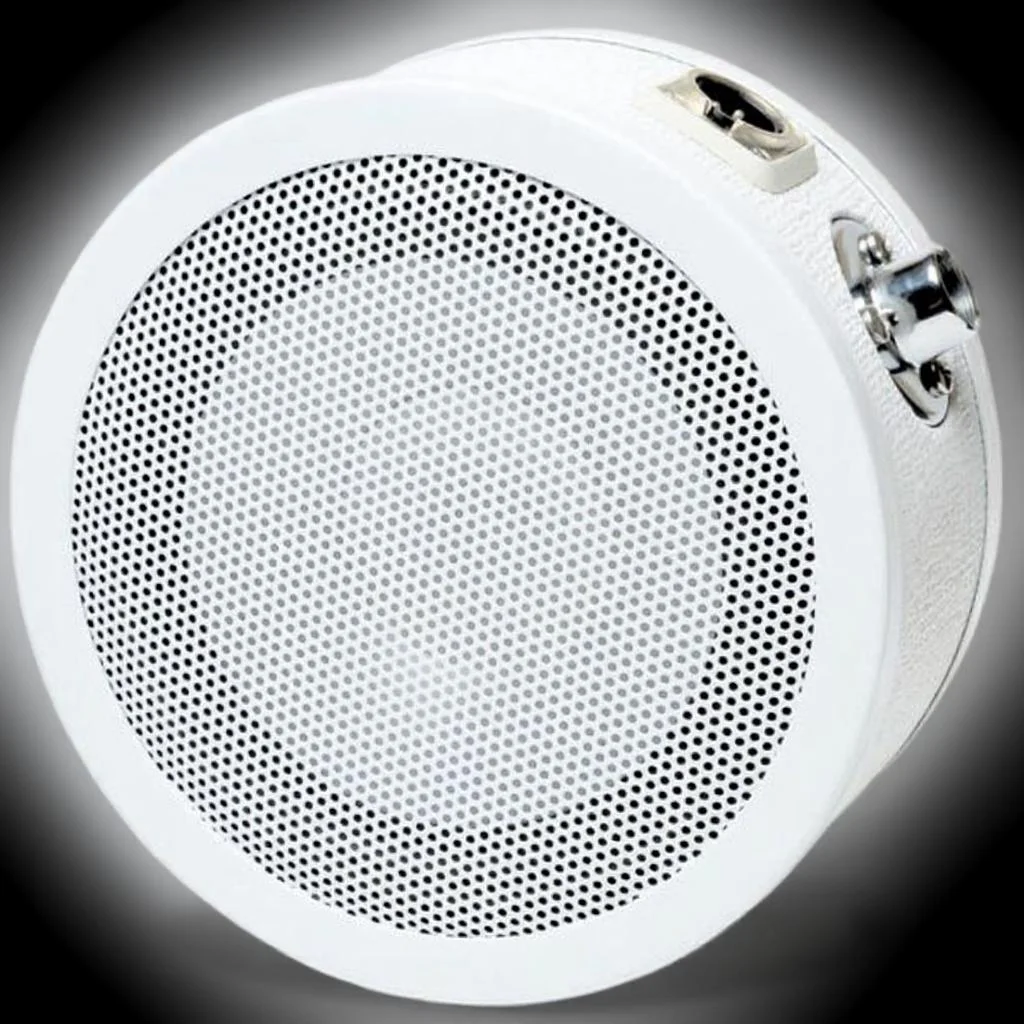
I use between 12 and 16 microphones on a standard session, running through Neve and API preamps into Pro Tools. Each microphone is chosen for its specific function — a different approach for the inside and outside of the kick drum, specific condensers for overheads, ribbon microphones for room ambience. The signal chain alone represents tens of thousands of euros in equipment.
Compare this to a two-microphone setup through a budget audio interface. Both capture drums, yes. But the difference in depth, separation, and mix-readiness is enormous.
Musical Decision-Making
This is where experience becomes the most valuable factor. When a client sends me a song, I do not simply play a beat over it. I analyse the arrangement, consider the genre, think about what the song needs dynamically. Where should the drums pull back? Where should they push? What groove serves the vocal melody best? Should the hi-hat be slightly open in the chorus or would a ride cymbal create better lift?
These decisions come from decades of studio work — from having played on records with artists like Alejandro Sanz, Juanes, and Antonio Orozco. A less experienced drummer might play something technically correct but miss the musical context entirely.
Stems and Deliverables
A professional session delivers individual stems: kick, snare top, snare bottom, hi-hat, toms, overheads, room microphones — each as a separate WAV file. This gives your mixing engineer complete control. A budget Fiverr recording typically delivers a stereo bounce where everything is baked in. If the snare is too loud, there is nothing you can do about it.
When Fiverr Actually Makes Sense
I am not going to pretend every project needs a premium session drummer. Here is when a budget option might be perfectly adequate:
• Demos and rough ideas: If you need drums to pitch a song concept and the recording will never be released, a basic track can do the job.
• Lo-fi and intentionally raw genres: Some music thrives on imperfection. If you want garage rock grit, a polished studio recording might actually be wrong for the song.
• Very tight budgets on non-commercial projects: Personal projects, student films, podcasts needing a short drum piece — the economics make sense.
When You Need Professional Quality
• Any commercially released music — streaming platforms, sync licensing, label releases
• When the drums are a prominent element — singer-songwriter tracks where the groove carries the song
• Genre-specific demands — jazz, fusion, progressive rock, anything requiring nuance
• When you have already invested in professional mixing and mastering — budget drums will become the weakest link in an otherwise polished production
The Hidden Cost of Cheap
Here is what producers rarely factor in: the cost of re-recording. I regularly receive emails from clients who paid $25 on Fiverr, were disappointed, then hired another budget drummer for $40, were still unsatisfied, and finally came to me. They have now spent $65 plus weeks of time before getting what they needed. The "expensive" option would have been cheaper and faster.
What About the Middle Ground?
Platforms like SoundBetter and AirGigs sit between Fiverr and hiring a session drummer directly. You will find more experienced players there, typically in the $75-$200 range. The quality is generally higher because these platforms attract working professionals, though the platform fees mean the drummer receives less — which can affect the level of attention your project gets.
At tonimateos.com, my rates start from €79 per song. That includes multitrack WAV files and direct communication throughout the process; the performance and purchased takes are defined before payment. No platform middleman, no commission eaten from either side.
The Bottom Line
The question is not really "$15 vs $150." The question is: what does your music deserve? If the song matters to you — if it represents months of writing, arranging, and producing — then the drum recording should match that investment.
You would not master a carefully produced album through a free online tool. Apply the same logic to the drums. They are the foundation everything else sits on.
*Toni Mateos is a session drummer based in Europe with over 35 years of recording experience. Learn more at tonimateos.com.*
Related articles: